The Brave Few Co-op Tips for B-17F Crews
Turn Steam’s 2–16 player co-op tools into a crew that survives flak and finishes the bomb run.
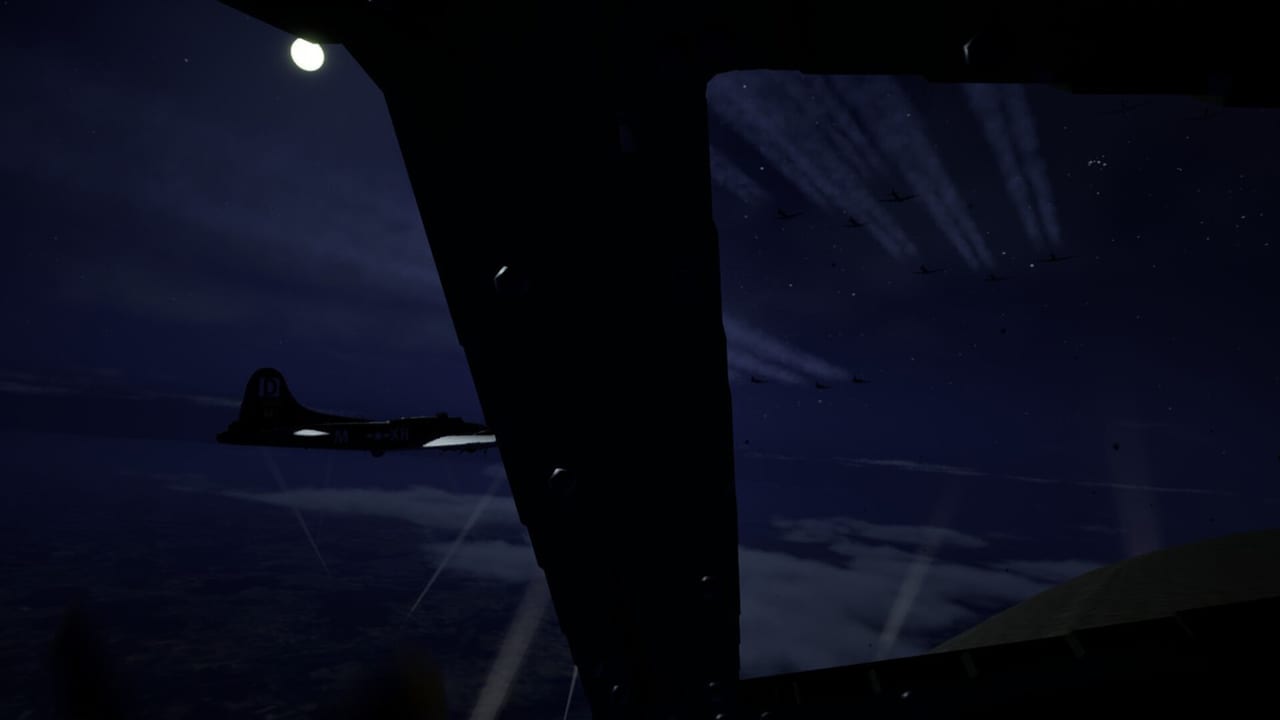
The Brave Few’s Early Access multiplayer is built for a shared B-17F and optional P-51D escort work. Steam describes online co-op over Steam, a crew room for claiming stations and roles, Quick Match, Public or Private crews, drop-in joining, invites that follow the flight, nearest-first dedicated servers with host fallback, VOIP, and split-screen. These tips translate that feature list into habits that keep Fortresses in formation. Read Stations and Voice for claim/VOIP detail, How to Play Co-op for mission flow, and Getting Started before your first public hop.
Tip 1 — Fill critical seats before stacking waist guns
When four friends queue, do not all claim waist windows. Use the Crew Roles Tier List order of operations: Bomber Pilot, Flight Engineer, Bombardier (for the run), Medic, then lead Gunners (tail/top/ball), then Navigator, Radio Operator, and finally Fighter Pilot escorts if you still have bodies. AI will hold leftover guns. A quiet AI cheek gun hurts less than an unmanned fire while everyone spectates the same waist kill.
Tip 2 — Say the repair rule out loud
Steam is explicit: put out a fire, repair a zone, or patch a wound and you leave your gun—the gun goes quiet while you are away. Before takeoff, nominate who leaves first on engine fire, who covers their arc, and who stays on the bomb sight. That thirty-second brief prevents four people abandoning stations for one fuse box. Link duties to Crew Roles so new drop-ins know the plan.
Tip 3 — Pick difficulty for the weakest link
Four presets—Easy, Normal, Hard, Veteran—plus a custom panel (fighter count 1–200, ace count 1–50, fighter skill, unlimited crew health, unlimited aircraft health, unlimited ammunition, crew job sequences off) let you scale chaos. For a fresh Public crew, start Normal with modest fighter counts. Save 100+ fighter experiments for Private crews that already passed Survive Flak drills. Unlimited health modes are for learning station layouts, not for practicing concussion management.
Tip 4 — Use lighting as a training dial
Morning, Noon, Dusk, Night each ship a complete lighting rig. Noon helps new gunners spot Bf 109E and rocket carriers; Night teaches radio discipline and formation rejoin habits when visuals fail. Rotate times across a session so your group does not only know one sky.
Tip 5 — Treat the bomb run as a protected phase
The Bombardier needs space to arm bombs and work the Norden sight. Call “run hot” on VOIP, park non-essential chatter, and keep Engineers from dragging the Bombardier into a fuselage repair unless the aircraft will not reach the release point otherwise. Review Enemy Threat so escorts know whether Wfr.Gr.21 carriers or Fw 190 packs are the bigger pre-run risk.
Tip 6 — Escort etiquette for P-51 pilots
Human P-51D pilots should announce when they leave the bomber’s bubble and when they are Winchester or damaged. The Fortress still has a formation rejoin key and friendly escort AI—do not vanish without a call. If the crew is under eight humans, prefer filling bomber seats before launching a second fighter.
Tip 7 — Drop-in and invite hygiene
Drop-ins can appear mid-mission. Keep one spare high-value job or gun arc listed in chat (“Medic open”, “tail free”) so newcomers claim useful seats instead of stacking. Steam invites follow the crew—host should confirm Private versus Public before the briefing ends so random joins match expectations.
Tip 8 — Progressive XP without griefing the mission
Character and role XP accrue in co-op. Rotating a friend through Gunner and Engineer across missions is healthy; rotating them through Bomber Pilot during a Veteran rocket gauntlet without warning is not. Schedule “XP seats” on Easy/Normal hops after a successful Hard run.
Tip 9 — Debrief like the UI expects you to
Missions include briefing, objectives, a mission clock, and debrief. Use debrief to note which arcs went silent, which fires lasted too long, and whether flak or fighters caused the first casualty. That feedback loop matters during ~1 year of Early Access while Indub watches Discord and the Steam hub.
Tip 10 — Know the offline fallback
Solo play with persistent named AI crew still exists. When friends cancel, fly a short tutorial or Easy mission to keep Pilot/Engineer timing sharp, then return to co-op. Players Hub and Guides stay useful either way.
Quick checklist before ready-up
- Stations claimed without duplicates on critical jobs
- Repair/Medic primary named
- Difficulty and time of day agreed
- VOIP mode tested (see Stations and Voice)
- Escort yes/no decided
- Bail-out expectations clear—Steam notes the crew can bail with you and the record tracks who got out
Related pages
- Players Hub · Stations and Voice
- How to Play Co-op · Crew Roles · Gunner Guide
- Tier List · Controls · System Requirements
- Official Links · Early Access Roadmap
Good co-op in The Brave Few is less about everyone being an ace and more about never letting fire, flak, and ego empty the same three guns at once.
Frequently Asked Questions
Quick answers for Early Access crews.
What is the best starter co-op size?
Four humans covering Pilot, Engineer, Bombardier or Medic, and one lead Gunner is a strong Normal-difficulty start while AI holds other guns.
Should Public crews use custom 200 fighters?
No. Save extreme custom sliders for Private crews that already communicate repairs and arcs cleanly.
How do Steam invites work mid-flight?
Steam notes invites follow the crew to wherever it is flying, which supports drop-in reinforcement after takeoff.
Can we mix split-screen with online players?
Steam lists split-screen and online co-op as features. Confirm current session behaviour in-game; bind controls per player first.
Where do I learn gun arcs after seating is set?
Use the Gunner Guide and Survive Flak pages, then review Enemy Threat tiers for rocket and fighter priorities.