The Brave Few Getting Started Guide
From Steam wishlist to your first B-17F briefing — difficulty, stations, and flight modes explained.
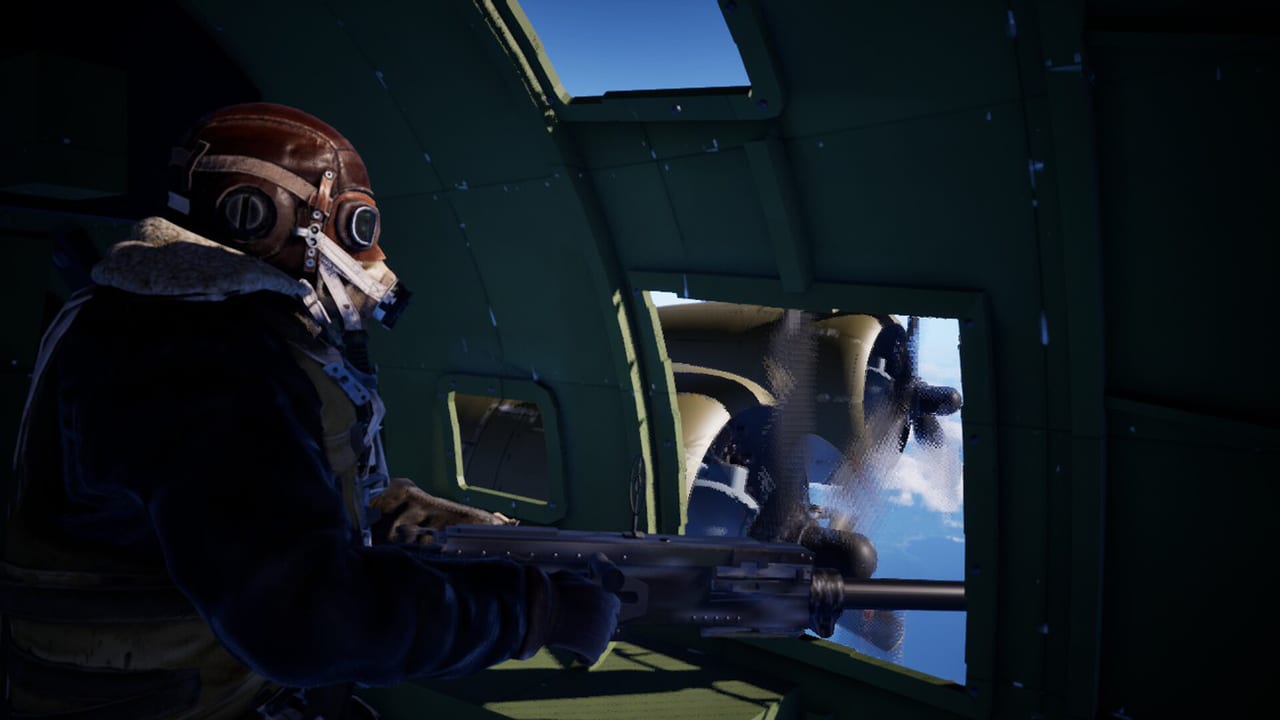
Welcome to The Brave Few. This getting-started guide is for players who want a clean first hour when Early Access opens on Steam on 30 November 2026. The game is developed and published by Indub (Steam app 4653750). Interface and full audio ship in English. Early Access centres on crewed B-17F bomber operations with a flyable P-51D escort, flak, and period fighters — not the full combined-arms vision yet. Read this page, then deepen with How to Play Co-op, Crew Roles, the Gunner Guide, Survive Flak, P-51 Escort, Bombardier & Norden, and Arcade vs Realistic. For launch day, keep the Day-One Checklist open.
Before launch day
- Wishlist The Brave Few on Steam so you get the unlock notification and can install as soon as the build goes live.
- Check system requirements: 64-bit Windows 10+, DirectX 12, broadband for online co-op, and about 15 GB storage. Minimum cites an Intel Core i5-8400 / Ryzen 5 3600 class CPU with GTX 1060 6GB / RX 580 8GB; recommended steps up to i7-10700K / Ryzen 7 5800X with RTX 2070 Super / RX 6700 XT and 16 GB RAM. VR support is listed as experimental.
- Skim controls. The game supports mouse and keyboard plus full gamepad support with in-game rebinding, sensitivity, invert, and mouse-aim options.
- Join official channels listed on Links (Steam hub, Discord) for patch notes — track them also under Updates and the Early Access roadmap.
- Confirm the calendar on the release date page; Early Access length is described as roughly one year, with price planned to rise as content ships.
What Early Access includes
Indub’s Steam Early Access notes describe a playable slice built around:
- A crewed B-17F with eight gun stations plus the pilot seat: two cheek guns and a third nose gun, top turret, ball turret, both waist guns, the radio-room gun, and the tail guns. Switch stations mid-mission; AI crew hold every seat a player is not in.
- Four engines modelled individually (thrust, propellers, fires, failure).
- Flyable P-51D Mustang escort.
- Component damage across engines, wings, tail, fuselage, cockpit, landing gear, and turrets — including fires, severed wings, deadstick glide, and crash outcomes. Hitting the ground kills you. Battle damage shows on the airframe; crew can be hit, treated, or lost.
- Jobs with a cost: put out a fire, repair a zone, or patch a wound means leaving your gun, so that station goes quiet while you work. Walk the fuselage to physical objects such as the fuse box and med kit. Bail out with the crew; who escapes is what the record shows.
- Opposition including Bf 109E, Bf 110 (C and F-2), Fw 190A / A-8, Me 410B-2, Ju 87B, flak concussion, and 21 cm Wfr.Gr.21 rockets on bomber-destroyer marks. Friendly P-51 escort and a B-17 formation you can rejoin with a key.
- Missions flown solo with AI or online with friends in the same bomber. About page copy also lists four historically based B-17F missions with varying difficulty and time of day, plus tutorial missions.
- Seven crew roles, each with specialisations (Pilot Bomber/Fighter, Gunner, Navigator, Flight Engineer, Medic, Bombardier, Radio Operator), character and role XP, and persistent single-player crews.
- No pay-to-win: one purchase, no premium currency, battle pass, paid unlocks, or ads.
The longer vision — full campaigns, more vehicle types, PvP, sandbox mission creation, and broader combined warfare — sits beyond this first EA slice. Do not expect every future feature on day one; expect a focused bomber-crew sim with co-op depth.
First launch checklist
- Install from Steam and run any tutorial missions offered. Treat them as station and camera practice, not optional fluff.
- Open graphics presets and scalability options; set a stable frame rate before you care about cinematic night lighting.
- Configure six audio sliders and VOIP (push-to-talk or voice activation with radio filter) if you plan co-op.
- Rebind critical keys: station switch, repair, heal, bombsight, bail-out, formation rejoin, and push-to-talk.
- Pick Arcade or Realistic flight. Both are switchable; Arcade is kinder while you learn the airframe, Realistic respects the custom per-aircraft aerodynamics more strictly.
- Choose a difficulty: Easy, Normal, Hard, or Veteran. Or open the custom difficulty panel: fighter count 1–200, ace count 1–50, fighter skill, unlimited crew health, unlimited aircraft health, unlimited ammunition, and the option to turn crew job sequences off.
- Select a time of day — Morning, Noon, Dusk, or Night — each with a complete lighting rig chosen before launch.
- Enter the briefing, note objectives and the mission clock, then fly. After landing or bail-out, read the debrief so wounds, kills, and losses feed your mental model (and, in single player, your persistent crew records).
Choosing your first role
You do not need to master all seven roles on day one. Many new players start as Gunner to learn arcs and lead, or as Pilot (Bomber) to feel formation and throttle. Medic and Flight Engineer shine when damage piles up; Bombardier matters on the run with the Norden bombsight; Navigator and Radio Operator keep the mission oriented and connected. Full breakdowns live on Crew Roles; comparative picks sit on the crew roles tier.
In single player, your named crew persists with service records, kills, wounds, and nicknames. A man is lost only if downed during bail-out; replacements arrive at level one. Pilot rank runs 0–9 with a separate 0–4 rank per aircraft. In co-op, claim a station in the crew room, ready up, and let AI cover empty seats so a two-player crew still has a full bomber.
What “good” looks like after one mission
- You can find your station, leave it to repair or heal, and return without panicking.
- You know whether you are on Arcade or Realistic and why.
- You can name at least three gun positions and which threats favour each (see the Gunner Guide).
- You treat flak as a reason to hold formation and manage damage, not as random noise — Survive Flak and enemy threat help.
- You know how to invite friends via Steam and where Quick Match / Public / Private crews fit (co-op tips).
Common early mistakes
- Launching Veteran with Realistic flight before you know station layouts.
- Ignoring fires because you refuse to leave a gun — engines and wings do not wait.
- Flying alone online without understanding AI fill-in; empty human seats are still crewed unless you strip jobs in custom difficulty.
- Skipping the debrief and wondering why a favourite gunner vanished from your single-player roster after a failed bail-out.
- Expecting land vehicles, ships, or full campaign cinema on day one of Early Access.
Next steps
Browse the rest of the Guides Hub, bookmark Players for crew habits, and keep Tools open for binds and hardware. Watch official playtest footage (embedded above) to see station flow before you host. When you are ready for friends, move to How to Play Co-op and bring the Fortress home together.
Frequently Asked Questions
Quick answers for Early Access crews.
When does The Brave Few Early Access launch?
Steam lists **30 November 2026**. Confirm on the store page and our release date note if the date shifts.
Can I play solo without friends?
Yes. Fly with an AI crew filling empty stations. Single-player crews are persistent with service records; co-op is optional but recommended for the full social loop.
Arcade or Realistic for the first mission?
Start Arcade while you learn stations and damage jobs, then switch to Realistic when formation flying and energy management feel natural. Modes are switchable.
Which difficulty should beginners pick?
Normal is the sensible default. Use Easy while learning, or custom difficulty to lower fighter counts. Save Veteran until you know repair and heal timings.
Is the game pay-to-win?
No. Indub states one purchase with no premium currency, battle pass, paid unlocks, or ads. Progression is mission XP for characters and roles.